

Scaffolding Pipes
What Is Scaffolding Pipes
Scaffolding pipes are galvanized steel tubes hot rolled into round shapes or aluminum tubes with a standard diameter of O.D 48.3mm (BS1139 EN39). They are joined by scaffolding couplers and fittings in construction to form all types of scaffolding. The longest scaffolding pipe is 6.4m(21') and 6m(20′).
-
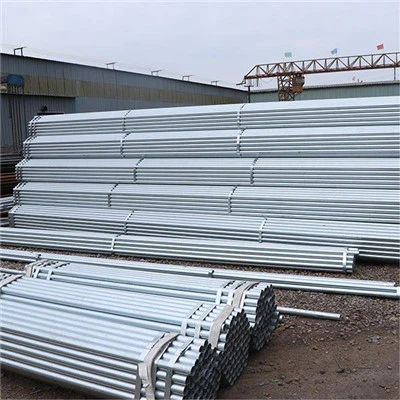 BS1139 Scaffolding PipeBS1139 HDG (Hot-Dip Galvanized) scaffolding pipes are an essential component in constructing safe and reliable scaffolding structures. These pipes adhere to the British Standards Institution's BS1139Add to Inquiry
 -
 Hot Dip Galvanized PipeTopstar Scaffolding company supplies hot dip galvanized Pipe on which strictly conforms to BS1139,JIS G3444 and safety requirements. This hot dip galvanized pipe is a bundle of 61 pcs in a sealedAdd to Inquiry
 -
 STK500 Scaffolding PipeSTK500 scaffolding pipe refers to a specific type of scaffolding pipe that conforms to the STK500 standard.STK500 scaffolding pipes commonly have an outer diameter of 48.6mm. This size is widely usedAdd to Inquiry
 -
 Hot Dip Galvanized Steel PipeMaterial:Q235B,Q355B,STK400/STK500Size:48.3*3.2*6000mm/48.6*2.4*6000mm ;customizedSurface :Hot dip galvanizingZince thickness:40-70umTolerance:+-3%Add to Inquiry
 -
 Hot Galvanized Steel PipeHot galvanized steel pipes are a crucial component in the construction of scaffolding. Scaffolding is a temporary structure that is erected to support workers and materials during the construction,Add to Inquiry
 -
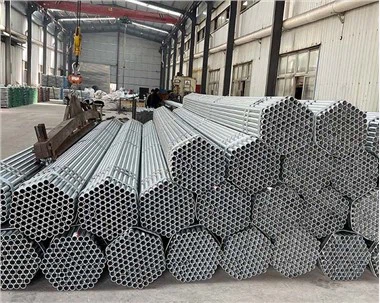 6m Scaffold TubeTopstar Scaffolding company supplies hot dip galvanized Scaffold Pipe on which strictly conforms to BS1139,JIS G3444 and safety requirements. This galvanized scaffolding pipe is a bundle of 61 pcs inAdd to Inquiry
 -
 Galvanized Scaffolding PipeTopstar Scaffolding company supplies hot dip galvanized scaffolding pipe on which strictly conforms to BS1139,JIS G3444 and safety requirements. Galvanized scaffolding pipe is made of Q235,Q345,Q355BAdd to Inquiry
 -
 Bs1139 Scaffolding TubeTopstar Scaffolding company supplies galvanized steel scaffolding tube on which strictly conforms to BS1139,JIS G3444 and safety requirements. Steel Scaffolding pipe should have a diameter of 48.3mmAdd to Inquiry
 -
 Pipe For ScaffoldingTopstar Scaffolding company supplies galvanized steel scaffolding pipe on which strictly conforms to BS1139,JIS G3444 and safety requirements. This galvanized scaffolding pipe is a bundle of 61 pcsAdd to Inquiry
 -
 Steel Scaffolding PipeTopstar Scaffolding company supplies galvanized steel scaffolding pipe on which strictly conforms to BS1139,JIS G3444 and safety requirements. Steel Scaffolding pipe have a diameter ofAdd to Inquiry


- Tel: +8619118858768
- Email: lea@topstar-scaffolding.com
- Add: RM.819, BLDG S5, SECTION 182 XIAOXIANG SOUTH RD, YANGHU ST., YUELU DIST., CHANGSHA, HUNAN, CHINA
Why Choose Us
Professional team
Our professional team collaborate and communicate effectively with one another, and are committed to delivering high-quality results. They are capable of handling complex challenges and projects that require their specialized expertise and experience.
Customized services
We listen to our clients objectives and aspirations and therefore provide customize solutions.
One-stop solution
At our manufacturing facilities, we provide a complete package that includes everything required to get you started, including training, installation and support.
24H Online service
We try and respond to all concerns within 24 hours and our teams are always at your disposal in case of any emergencies.
Advantages of Scaffolding Pipes
Tough and durable
Steel is one of the toughest and most durable metals available. Compared to others, steel has enhanced weather, fire, wear, and corrosion resistance. This means it can tough it out against adverse conditions like heavy rains, scorching sunlight, and high foot traffic.
This toughness means that it generally has a longer lifespan than other scaffolding materials. You can rest assured that your steel pipe scaffolding can last many jobs — and many years — without losing quality or functionality. Therefore, it is one of the safest and most sustainable platform options, which is why it is so widely used in the construction industry.
Higher carrying capacity
As mentioned previously, steel pipe scaffolding is a very strong material. Due to its improved strength compared to other materials, it offers a higher carrying capacity. Steel pipe scaffolding can easily bear heavier weights. For example, it could hold multiple people, plus their tools and building supplies, without shaking or swaying.
Steel is also a material that can bear heavy weight comfortably, which helps it create a structurally sound platform. Even under duress, it is not likely to break or bend easily. It can also safely carry the weight of workers and equipment even in harsh environments, such as areas with heavy winds.
Easy to assemble and disassemble
Despite their strength and toughness, steel pipe materials are actually lighter than you would expect. This makes them easier to assemble and disassemble at the construction site. Steel pipe scaffolding is also much easier to transport to and from the site, as they can be transported in large amounts, and are easy to pack and unpack on a truck.
This is an important advantage over other materials. Scaffolding needs to be assembled at a quick pace to start construction projects as soon as possible. With steel pipe scaffolding, you can erect the temporary structure at a faster rate, which makes the project more efficient.
Can be used on bigger jobs
Another great advantage that steel pipe scaffolding offers is its structural stability. This allows manufacturers to offer steel pipes in different designs and sizes, which you can then assemble in various forms.
You can assemble steel pipe scaffolding in both single and double scaffolding formats — and build them up to great heights. This is typically difficult to do with other materials, like timber and bamboo scaffolding. Thus, steel pipe scaffolding can be used to create platforms without height limitations, so it’s ideal for construction jobs on taller buildings.
Has standard forms and geometry
Steel materials for scaffolding follow the standard forms and geometries of steel pipe products. This makes it much easier for you to order, manufacture, and assemble steel pipe scaffolding materials. And, as they use standard geometrical sized pieces, it also ensures that the right 90 degree angles — which are imperative to creating a stable platform — are obtained easily.
Environmentally friendly
One of the lesser-known advantages of using steel materials is its environmental impact. Compared to other metal and wood materials, it is incredibly sustainable. For example, timber scaffolding has a serious impact on the environment, as it contributes to the deforestation problem.
7 Most Common Uses for Scaffolding Pipes
Scaffolding pipes is durable, rust resistant, easy to install and highly customizable, making it a top choice in a wide range of industries including construction, shipbuilding, textile, agricultural, oil and gas, and more.
1) THE CONSTRUCTION INDUSTRY
Since scaffolding pipes is both durable and lightweight, it’s commonly utilized by the construction industry in commercial and residential buildings, as well as in industry sectors including power, water, sewer, manufacturing and more. scaffolding pipes is also a top choice in the construction industry because it’s resistant to rust and corrosion, meaning that it won’t require frequent repairs or replacement. This is especially important in water, plumbing and electrical systems, since leaks or breaks in the scaffolding pipes can be both dangerous and costly.
2) THE OIL AND GAS INDUSTRY
Scaffolding pipes is ideal for use in extreme conditions such as corrosive environments, low and high temperatures and high pressure. For this reason, scaffolding pipes is prevalent in the oil and gas industry, especially in pipes like gathering lines (the tubes that transport oil or gas from the producing area to a storage facility or larger main pipeline), and pipe trunk lines (the welded, large-diameter scaffolding pipess that are used to transport natural gas over long distances). Because of scaffolding pipes’s durability and versatility, it can stand up to the unique needs of the oil and gas industry.
3) THE SHIPBUILDING INDUSTRY
The strength of steel makes it a great option for ship building since it withstands vibrations, shock and high pressure. Unlike other metals, steel with bend rather than break in extreme conditions, which means it’s less likely to crack or leak. In the shipbuilding industry, scaffolding pipes is designed and manufactured for the boilers, super heaters and pressure systems of a ship.
4) THE TEXTILE INDUSTRY
The versatility of scaffolding pipes makes it a popular choice in the textile industry for the production of bale openers, mixers, carding machines, spinning machines, winding machines and texturing machines.
5) THE AGRICULTURAL INDUSTRY
Scaffolding pipes is frequently used in agricultural fittings due to its durability and ability to withstand pressure. Steel is also sometimes mixed with carbon to create a more lightweight yet sturdy agricultural fitting. Farmers and other agricultural organizations use scaffolding pipes in dozens of applications, including tractor engines, grain elevators, field drainage systems, fertilizer applications, vent pipe systems and more.
6) INDUSTRIAL APPLICATIONS
Scaffolding pipes is a common choice in manufacturing facilities, warehouses and other industrial locations because it’s rust-proof and doesn’t corrode, affording facilities a lifetime of dependable use. Round steel tubing is often used to transport liquids or gas from one area of an industrial facility to another, as well as in the construction of industry structures itself.
7) ADDITIONAL APPLICATIONS
In addition to the above listed, scaffolding pipes is commonly found in:
• Power Plants
• Diary and Food Processing Facilities
• Modern Architecture
• Chemical Facilities
• Water Treatment Facilities
• Synthetic Fiber Production
• Desalination
• Energy Industries
There are many benefits to using scaffolding pipes, including its easy installation, long service life, and durability. To learn more about scaffolding pipes, check out our previous blog post titled “All About scaffolding pipes”.
What Are the Things to Consider When Buying Scaffolding Pipes?


Quality of Materials
No matter how small or big a leak is, some form of scaffolding pipes damage is bound to occur. Besides the potential of leaks, water pressure is a force that every scaffolding pipes will have to cope with. High water pressure can lead to wide-scale damages. Arguably, abrasive materials that pass through the scaffolding pipes will eventually degrade their quality.
You will have to buy scaffolding pipes that are made with materials suitable for the purpose of installation. Moreover, the scaffolding pipes should withstand forces that will be dealt with on a daily basis. Steel is often an ideal material for scaffolding pipes. The construction industry relies on steel scaffolding pipes for its durability.
Corrosion Resistance
Given that scaffolding pipes are responsible for transporting liquids from one point to another, their interiors tend to be vulnerable to corrosion. Corrosion refers to the deterioration process of materials because of a reaction to the environment. Generally, most metal components corrode because of acidity and oxidation.
When highly acidic substances come into contact with steel scaffolding pipes, rust accumulates inside its layers. This results from oxidation, which means losing iron particles to acidic electrolytes. The water pressure coming from the scaffolding pipes can further enforce both chemical reactions.
In the long run, the scaffolding pipes will be destabilized due to corrosion. This factor is naturally occurring and can happen at any rate. Thus, it would be best to buy a scaffolding pipes that has strengthened corrosion protection. Galvanized scaffolding pipes are manufactured to resist corrosion. These scaffolding pipes have been dipped in a protective zinc coating to prevent the metal from rusting. In addition, it prevents the buildup of deposits that can clog the scaffolding pipesline.
Tensile Strength
Tensile strength refers to the maximum capacity that a material can withstand forces before failure or breaking. A strong material can have tensile stress push against it and will just end up becoming flat. This will protect the material from being damaged permanently.
If you plan to buy from a steel scaffolding pipes supplier in the Philippines, your products must have the best tensile strength to ensure they last for a long time. As versatile construction materials used in a wide variety of applications, scaffolding pipes will deal with extreme loads and other environmental factors.
With a high-quality black iron scaffolding pipes, you are assured of reliable tensile strength. These scaffolding pipes are typically cast from mild grades of steel. With less carbon, they possess an ideal property of ductility and malleability.
Various scaffolding pipes companies were able to manufacture metal sheets to become spiral in shape. Instead of shattering completely, they have been heated and cooled to act as protection from brittleness. While the metal is still hot, its ends are bent to make a tube without breaking.
Ease of Use
When you purchase scaffolding pipes, they should be able to adjust to all kinds of harsh environments. Ideally, they must withstand extreme cold and hot temperatures.
The cold weather can often make metal components brittle. The water pressure begins to rush through the scaffolding pipes and ice forms. If left unnoticed, steel scaffolding pipes can burst and rupture because of ice blockage. Depending on the scale of damage, it can be especially costly to repair or even require a total replacement.
On the other hand, hot temperatures can make scaffolding pipes break for a distinct reason. Direct heat can cause the metal to expand. In thermal expansion, the length, surface area, and volume of materials will increase, which makes them more prone to issues and decreases their lifespan. Once the scaffolding pipes cannot handle the extreme heat, it will also rupture.
Naturally, environmental factors cannot be controlled. The best course of action would be to invest in scaffolding pipes made with durability in mind. Steel scaffolding pipes will maintain their form despite temperature fluctuations because they are designed to be highly durable.
How is scaffolding pipes Used?
Structural Usage
Structural use is commonly building and construction in which the building material is commonly referred to as steel tubes. Steel tubes are used to provide additional strength and stability for especially high buildings or constructions. Two types of steel pipes are utilized in structural usage as end-bearing piles and friction piles that both have the aim of transferring the load of the building. In those applications, steel pipes are driven deep into the earth before the foundation is laid, which constitutes great support to the building especially when the ground is not secure. Another structural application of steel pipes is scaffolding poles which allow construction workers to access all areas of the building that are out of reach. They are made by linking steel tubes into each other as a cage that surrounds the building.
Manufacturing Usage
Scaffolding pipes are being utilized for many different purposes in manufacturing use. Guard rails are one of the most common usages to provide a safety feature for stairs and balconies, or, in street, for cyclists and pedestrians. scaffolding pipes can also be utilized as security bollards which are used to cordon off an area from vehicle traffic to protect people, buildings, or infrastructures. Also, steel pipes constitute an option for outdoor site furnishings. Many commercial bike racks are formed by bending steel tubes. High toughness and strength of steel make it secure against thieves.
Transportation Usage
The most common usage of steel pipes is the transportation of products since the characteristics of the raw material is very suitable for long-term installations. As it has mentioned before, different applications require different properties, as for low-pressure applications it is not expected for a steel pipe to exhibit ultra-high-strength since it does not expose to significant loading. More specialized applications to be used in the oil and gas industry may require more stringent specifications due to the hazardous nature of the product and the possibility of increasing pressure. These requirements bring a higher cost and quality control becomes more critical.
Scaffolding pipes are commonly used in various industrial and commercial applications and play an essential role in the transportation of liquids and gases. However, to ensure that they continue to function correctly and last for a long time, it is necessary to maintain them properly. Here are a few things you need to know about preserving steel pipes:
Cleaning: Scaffolding pipes should be cleaned regularly to remove any dirt, debris, or other contaminants that can cause corrosion or blockages. This can be done using a high-pressure water jet or a specialized cleaning solution.
Corrosion protection: Scaffolding pipes are susceptible to corrosion, which can weaken the lines and cause leaks. To protect against corrosion, pipes should be coated with a protective layer, such as paint or an anti-corrosion coating.
Inspections: Regular inspections should be done to check for any signs of damage or wear and tear, such as leaks, dents, or rust. Any issues that are found should be addressed promptly to prevent further damage.
Temperature and pressure: Scaffolding pipes are designed to withstand certain temperatures and pressure levels. It is essential to ensure that the lines are not subjected to temperatures or pressure levels that exceed their capabilities, as this can cause damage and shorten the lifespan of the pipes.
Support and anchoring: Scaffolding pipes need to be properly supported and anchored to ensure they remain in place and do not move or shift. This will help to prevent damage to the lines and the surrounding area.
Our Factory
HUNAN TOPSTAR SCAFFOLDING(TSS) is a leading manufacturer and exporter of scaffolding products. Our main products include metal plank,hot dip galvanized pipe,ringlock systems,frame systems,shoring props, jack base ,ladders and couplers ,which are widely used in servicing the oil & gas, petrochemical, pharmaceutical, construction and marine industries.

FAQ
We're professional scaffolding pipes manufacturers and suppliers in China, providing high quality products with competitive price. We warmly welcome you to buy or wholesale high-grade scaffolding pipes for sale here from our factory.
hdg steel pipe, scaffolding galvanized pipe, Steel Scaffolding Pipe