

Scaffolding Plank
What Is Scaffolding Plank
One of the key components of scaffolds is scaffolding planks. These pieces of material—also sometimes referred to as scaffold boards or walkboards—provide the surface on which employees and equipment can stand.
-

-

-
 320mm Width Scaffold Steel PlankThis is hot dip galvanized plank ,which means adding zinc by dipping pre-treated parts into aAdd to Inquiry
 -
 Galvanized Steel PlanksHot dip galvanized steel planks are a reliable and durable solution for the construction industry.Add to Inquiry
 -
 Scaffold Metal DeckTOPSTAR Scaffolding supplies lightweight scaffold metal deck with high loading capacity. TheseAdd to Inquiry
 -
 Osha Scaffold PlankScaffold boards that meet OSHA (Occupational Safety and Health Administration) standards areAdd to Inquiry
 -
 Laminated Scaffold BoardLaminated scaffold boards are a durable and reliable building material that is essential for anyAdd to Inquiry
 -
 Steel Plank With HookSteel planks with hooks are commonly used in construction and scaffolding applications.The hooks onAdd to Inquiry
 -
 Steel Walk BoardsSteel Walk Boards TOPSTAR Scaffolding is a reliable and trustworthy company that suppliesAdd to Inquiry
 -
 Osha Walk BoardsRaw material:New Zealand radiate pineGlue:100% WBP glue/melamine glueDensity:560-610kgs/cbmEndAdd to Inquiry
 -

-
 Lvl Scaffold PlankLVL Scaffold plank is engineered specifically for flat use as scaffold staging walk boards. AllAdd to Inquiry


- Tel: +8619118858768
- Email: lea@topstar-scaffolding.com
- Add: RM.819, BLDG S5, SECTION 182 XIAOXIANG SOUTH RD, YANGHU ST., YUELU DIST., CHANGSHA, HUNAN, CHINA
Advantages of Scaffolding Plank
Durability
Scaffolding planks are made of high-quality materials such as steel, aluminum, or wood that makes them durable and long-lasting. They can withstand heavy loads and rough handling on the construction site.
Safety
Scaffolding planks provide a stable and secure platform for workers to work on. They are designed with anti-slip surfaces and edges to reduce the risk of slipping and falling from heights.
Versatility
Scaffolding planks can be used for a variety of tasks on the construction site, such as building, painting, and maintenance work, making them a versatile and useful tool.
Cost-effective
Scaffolding planks are an affordable solution for construction sites. Compared to other scaffolding systems, they are relatively inexpensive, making them a cost-effective option for small and large projects.
Easy to install
320mm Ringlock Scaffolding Steel Planks are easy to install and set up, which saves time and labor costs on the construction site
Lightweight
Scaffolding planks made of aluminum or lightweight steel are easy to handle and transport, which makes them ideal for use in tight or hard-to-reach areas.
Why Choose Us
Professional team
Our professional team collaborate and communicate effectively with one another, and are committed to delivering high-quality results. They are capable of handling complex challenges and projects that require their specialized expertise and experience.
Customized services
We listen to our clients objectives and aspirations and therefore provide customize solutions.
One-stop solution
At our manufacturing facilities, we provide a complete package that includes everything required to get you started, including training, installation and support.
24H Online service
We try and respond to all concerns within 24 hours and our teams are always at your disposal in case of any emergencies.
Types of Scaffolding Plank

Single scaffold planks
This type of scaffolding is used generally for brick masonry. It is made of structures such as the ledgers, standards and the putlogs. While at work, the plank is placed about 1.2 metres from the wall. The standards are placed 2 to 2.5 metres apart and the ledgers 1.2 to 1.5 metres apart. One end of each putlog is fixed to the wall and another to the ledger. All this is done to give maximum support to the weight of the workers.

Double scaffold planks
Double scaffolding is mainly meant for stone masonry. This is because the putlogs cannot be inserted through the stone walls.the double-row scaffolding is meant for maximum support. In this case, the putlogs are inserted between the two rows which are 1m apart and the temporary structure is placed 20-30cm from the wall. Cross braces and rakers are as well used to give it kinda additional support.

Cantilever scaffolding
This is the type of scaffolding where needles are used to support the standards. Constructors either strut the needles through the openings into the floor or through the wall. This type of scaffolding is mainly used under situations where the ground is traffic-free or cannot support standards. Another instance is when it is the upper part of the building that is under construction. However, when constructing this type of scaffolding, care must be taken to ensure no damage results.

Suspended scaffolding
In this case, chains or wire ropes are used in suspending the scaffold from the roof and it can be adjusted to any level required. This type of scaffolding is used when making repairs, painting or pointing.

Trestle scaffolding
This is a type of scaffolding where the working platform is placed on movable ladders or tripods and is about 5 m long. It is mainly used in rooms when making repairs, painting and any related activities.
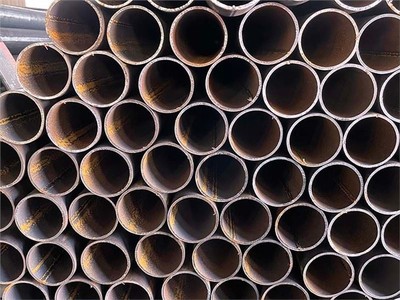
Steel scaffolding
It is made of steel tubes fixed to each other using steel fittings or couplers and are very easy to assemble and dismantle. Among the many types of scaffold planks, this is the strongest and durable type and is very safe for the workers. It is therefore commonly used these days in construction.
Application of Scaffolding Plank
BS1139 Scaffolding planks are commonly used in the construction of buildings to provide access to different levels of the building. Workers can move up and down the building using the scaffolding planks to perform tasks like painting, plastering, and bricklaying.
Scaffolding planks are used in bridge construction to build the bridge deck and to provide a safe working platform for workers. They help workers to move across the bridge safely and perform their tasks.
Scaffolding planks are used for maintenance work on high-rise buildings, power lines, and other structures. They provide a safe and stable working platform for workers to perform maintenance tasks like cleaning, repairing, and inspecting.
Scaffolding planks are also used in the film and stage production industry. They are used to create high-rise sets and to provide a stable platform for actors and crew members to perform their tasks safely.
Process of Scaffolding Plank
Material selection
Galvanized scaffold planks are usually made of wood, steel or aluminum. The choice of materials depends on the type of construction project, load-bearing capacity and expected service life.
Cutting size
Use a circular saw or hand saw to cut the board to the desired length. The length should be slightly shorter than the distance between scaffolding standards to ensure a tight fit.
Planing
The surface of the board is then planed to remove any rough edges or debris and ensure a smooth surface.
Drilling
Drill holes are then drilled into the 3m scaffold boards planks at regular intervals to provide strong anchoring for the scaffolding connectors. The hole should be clean and free of burrs.
Treatment
The boards are then treated with preservatives to prevent rot, decay and insect attack. This helps extend the life of the boards and ensures they are safe to use.
Final inspection
Finally, inspect the board for any defects, cracks, or other damage that may affect its strength and stability.
How to Install Scaffolding Plank
Choose a secure foundation to build and set up your scaffolding on Obtain mud sills or base plates to secure the scaffolding and make the foundation more stable. One of the main issues here is the level and safe ground of the scaffolding. If you are on uneven ground, you will need to dig down to level the dirt at any high corners. Also, use the adjustment screws on the scaffolding to level the structure. If the floor has a steep slope, do leg stretches.
Choose casters If you plan to move your scaffolding to different locations for work, include casters in your scaffolding setup. Remember to lock the casters once they are in place.
Assemble the scaffolding frame Arrange the ends of the scaffolding. Lift one end piece and attach the cross brace. The far end of this bracket should support the end piece as you lift the second end piece and attach its upper cross brace. Secure the ends of the cross braces to the bottom of the frame at the opposite end.
Ensure the scaffolding is stable Move the scaffolding to the desired location and make sure it is level and secure.
Place the planks Lift the planks into place via scaffolding poles. Hardware should be included to hold the boards in place.
Safe access to scaffolding If using a ladder to access scaffolding, use a ladder designed for that specific scaffolding. Scaffolding can be accessed using a stair-like ladder, but must have handrails and treads. A concern with access points is to ensure safe operation and prevent scaffolding from tipping over.
Install guardrails Due to the height of the equipment and the risk of falls, guardrails are highly recommended for all scaffolding, and tie-downs and other fall protection devices may also be considered.
Check the scaffolding to ensure safety Check your scaffolding setup thoroughly to make sure everything is secure. Recheck your scaffolding system each time you leave and return to the site to ensure it is still safe.
Components of Scaffolding Plank
Scaffolding pipe
Scaffolding tubes are usually made of aluminum or steel, but due to the high cost of composite tubes, composite scaffolding uses raw fibers wrapped around fiberglass tubes in a polyester or nylon matrix, and is usually only used when there are overhead hazards and cables that cannot be cut.


Scaffolding connector
Couplers are fittings that hold pipes together. The most familiar are scaffold connectors, of which there are three basic types, namely flat connectors, right angle connectors and swivel connectors.
Adjustable base plate
You can choose from different height-adjustable base plates with sturdy and self-cleaning round threads to adapt to the floor. It is color-coded and notched to prevent over-wrapping.


Diagonal braces
Diagonal supports with wedge locks further support the basic structure consisting of vertical standards and ledgers. In addition, their high connection standards facilitate special construction.
Toe board
Place toe boards between vertical standards. Toe boards can be made of aluminum, steel or wood. Steel toe plates reduce fire risk and provide long life. Due to its design, there are no openings or gaps between the deck and toe board.


Deck
Also known as planks, decks are available in aluminum, aluminum frame plus plywood, and hot-dip galvanized steel. The deck is a structural component, so no ledger is required at the deck level, which not only saves cost but also reduces weight.
Material of Scaffolding Plank
Scaffolding planks are typically made of wood, aluminum, or steel. The choice of material depends on the intended use, duration of use, and safety requirements. Wooden scaffolding planks are commonly used for short-term projects and are the most affordable option. Aluminum scaffolding planks are durable and lightweight, making them ideal for use in high-altitude projects. Steel scaffolding planks are the most robust and long-lasting option, making them useful for large-scale and long-term construction projects. The material of scaffolding plank is an essential consideration to ensure worker safety and stability during construction.
How to Maintain Scaffolding Plank
Regular inspection
Regular inspection of the scaffolding planks is crucial to identify any potential problems before they escalate. Look for any damages to the planks, such as cracks, splits, or warping. Also, check the nails and screws that hold the planks in place to ensure they are secure and do not come loose.
Proper storage
Proper storage of the scaffolding planks is important to prevent damage. Make sure the planks are stored in a dry, clean, and well-ventilated area. Avoid storing the planks in direct sunlight or areas with extreme temperatures.
Repair and replacement
If any scaffolding planks are damaged, they should be repaired or replaced as soon as possible. Cracked or warped planks can pose a safety hazard and should be removed from the scaffolding.
Cleaning
Regular cleaning of the scaffolding planks is important to prevent the buildup of dirt and debris, which can affect the performance of the scaffolding. Use a brush or vacuum cleaner to clean the planks.
Regular maintenance
Regular maintenance of the scaffolding planks is important to ensure their longevity and effectiveness. This includes oiling the wood planks and applying a sealant to prevent moisture damage.
Safety measures
Always follow safety guidelines when working with the scaffolding planks. Wear protective gear, such as gloves and goggles, and make sure the planks are properly secured in place before using them.
What Is the Maximum Weight Capacity of a Single Scaffolding Plank
The maximum weight capacity of a single scaffolding catwalk plank can vary depending on the type of plank and its construction. Generally, most scaffolding planks are designed to support a maximum weight of around 210 to 275 pounds. However, it's always important to check the manufacturer's specifications or consult with a professional to determine the maximum weight capacity of a particular scaffolding plank.
Scaffolding boards can be recycled, but it depends on the material used in their construction. Most scaffolding boards are made from wood, metal, or a combination of both.Wooden scaffolding boards can be chipped, ground, or shredded and used as mulch, compost, or biofuel. They can also be repurposed for other construction projects.Metal scaffolding boards can be melted down and recycled into new metal products. However, the process can be expensive and time-consuming, so many scaffolding companies may not offer this service.Regardless of the material used in the construction of the scaffolding boards, it is always important to follow proper disposal procedures to ensure that the scaffolding is disposed of in a safe and environmentally responsible manner. Consult with a local waste management company or scaffolding supplier for guidance on recycling options.

How Are Scaffolding Planks Typically Stored When They Are Not in Use
Indoors
Store the scaffolding planks in a dry indoor area, such as a garage or a shed. This can protect the planks from moisture, sunlight, and other environmental factors that can damage them.
Outdoors
If there is no indoor storage available, the scaffolding planks can be stored outdoors in a covered area, such as a tarp-covered area or a shed. This can protect the planks from the elements and prevent them from being damaged by wind or rain.
On the ground
Scaffolding planks can also be stacked on the ground, with a tarp or a mat placed over them to protect them from dirt and debris. However, this method may not be as effective in preventing moisture damage as storing the planks indoors or in a covered outdoor area.
Our Factory
Topstar Scaffolding Production Base is located in Daqiuzhuang Town, Jinghai District, 70 miles away from Tianjin Port and 45 miles away from Tianjin High-speed Railway Station. The factory has a registered capital of 10 million yuan, covering an area of 40,000 square meters, and a factory building area of 32,000 square meters. Topstar Scaffolding specializes in the design, production and sales of scaffolding products. It has 8 fully automatic steel plate processing production lines.
FAQ
Q: What is scaffolding plank?
Q: What is the standard size of a scaffolding plank
Q: What is the weight capacity of a scaffolding plank?
Q: How do you use a scaffolding plank?
Q: What are the safety precautions to take when working with a scaffolding plank?
Q: What is a scaffolding plank used for?
Q: What are scaffolding planks called?
Q: What must scaffold planks be?
Q: When should scaffold planks not be used?
Q: What are scaffolding planks made of?
Q: How many types of scaffolding planks are there?
Q: How thick is a scaffold plank?
Q: How long do scaffold planks last?
Q: What is the maximum span of a scaffold plank?
Q: How do you test a scaffold plank?
Q: What is the OSHA standard for scaffolding planks?
Q: Should scaffold be fully planked?
Q: How do you secure scaffold planks
Q: Are scaffold boards strong?
Q: Are scaffolding planks treated?
Q: What is the 3 to 1 rule in scaffolding?
Q: What is the difference between scaffold and scaffolding?
We're professional scaffolding plank manufacturers and suppliers in China, providing high quality products with competitive price. We warmly welcome you to buy or wholesale high-grade scaffolding plank for sale here from our factory.
Ringlock Ledger Head sand mould, perforated steel planking, aluminium scaffolding platform