

Steel Pipes
What Is Steel Pipes
Steel pipes are cylindrical tubes made from steel that are used many ways in manufacturing and infrastructure. They're the most utilized product made by the the steel industry. The primary use of pipe is in the transport of liquid or gas underground—including oil, gas, and water.
-
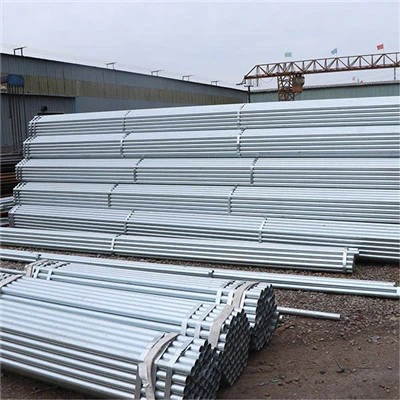 BS1139 Scaffolding PipeBS1139 HDG (Hot-Dip Galvanized) scaffolding pipes are an essential component in constructing safe and reliable scaffolding structures. These pipes adhere to the British Standards Institution's BS1139Add to Inquiry
-
 Hot Dip Galvanized PipeTopstar Scaffolding company supplies hot dip galvanized Pipe on which strictly conforms to BS1139,JIS G3444 and safety requirements. This hot dip galvanized pipe is a bundle of 61 pcs in a sealedAdd to Inquiry
-
 STK500 Scaffolding PipeSTK500 scaffolding pipe refers to a specific type of scaffolding pipe that conforms to the STK500 standard.STK500 scaffolding pipes commonly have an outer diameter of 48.6mm. This size is widely usedAdd to Inquiry
-
 Hot Dip Galvanized Steel PipeMaterial:Q235B,Q355B,STK400/STK500Size:48.3*3.2*6000mm/48.6*2.4*6000mm ;customizedSurface :Hot dip galvanizingZince thickness:40-70umTolerance:+-3%Add to Inquiry
-
 Hot Galvanized Steel PipeHot galvanized steel pipes are a crucial component in the construction of scaffolding. Scaffolding is a temporary structure that is erected to support workers and materials during the construction,Add to Inquiry
-
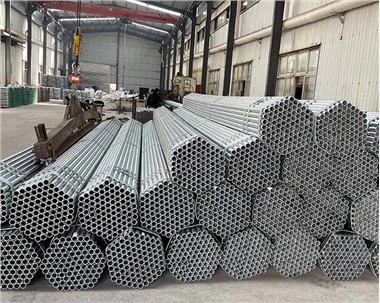 6m Scaffold TubeTopstar Scaffolding company supplies hot dip galvanized Scaffold Pipe on which strictly conforms to BS1139,JIS G3444 and safety requirements. This galvanized scaffolding pipe is a bundle of 61 pcs inAdd to Inquiry
-
 Galvanized Scaffolding PipeTopstar Scaffolding company supplies hot dip galvanized scaffolding pipe on which strictly conforms to BS1139,JIS G3444 and safety requirements. Galvanized scaffolding pipe is made of Q235,Q345,Q355BAdd to Inquiry
-
 Bs1139 Scaffolding TubeTopstar Scaffolding company supplies galvanized steel scaffolding tube on which strictly conforms to BS1139,JIS G3444 and safety requirements. Steel Scaffolding pipe should have a diameter of 48.3mmAdd to Inquiry
-
 Pipe For ScaffoldingTopstar Scaffolding company supplies galvanized steel scaffolding pipe on which strictly conforms to BS1139,JIS G3444 and safety requirements. This galvanized scaffolding pipe is a bundle of 61 pcsAdd to Inquiry
-
 Steel Scaffolding PipeTopstar Scaffolding company supplies galvanized steel scaffolding pipe on which strictly conforms to BS1139,JIS G3444 and safety requirements. Steel Scaffolding pipe have a diameter ofAdd to Inquiry


- Tel: +8619118858768
- Email: lea@topstar-scaffolding.com
- Add: RM.819, BLDG S5, SECTION 182 XIAOXIANG SOUTH RD, YANGHU ST., YUELU DIST., CHANGSHA, HUNAN, CHINA
Advantages of Steel Pipes
Anti-fouling and anti-corrosion Due to the corrosion resistance of stainless steel, this rarely happens. This gives stainless steel advantages in areas such as sanitary water distribution and hospital applications.
Value Because stainless steel resists corrosion, it is low maintenance and is unlikely to need replacement for decades.
Attractions Exposed stainless steel pipes and fittings are a good choice for commercial spaces because the material is naturally bright and attractive.
Stability and adaptability Stainless steel can be treated with various elements such as molybdenum, nickel or nitrogen to improve its corrosion resistance. Stainless steel can withstand high temperatures. By adding various materials to stainless steel, thin tube walls can be achieved, resulting in a lighter finished product suitable for a wide range of commercial and industrial applications.
Environmental protection Stainless steel is not a petroleum product. Unlike other pipe materials, it does not require any type of coating or lining. When you need to dispose or repair stainless steel pipes, it is 100% recyclable, reducing your environmental impact.
Easy to maintain and install When you purchase hot galvanized steel pipe, you are getting a durable product that will last for decades. It is a long-lasting substance that is easy to maintain and install.
Why Choose Us
Professional team
Our professional team collaborate and communicate effectively with one another, and are committed to delivering high-quality results. They are capable of handling complex challenges and projects that require their specialized expertise and experience.
Customized services
We listen to our clients objectives and aspirations and therefore provide customize solutions.
One-stop solution
At our manufacturing facilities, we provide a complete package that includes everything required to get you started, including training, installation and support.
24H Online service
We try and respond to all concerns within 24 hours and our teams are always at your disposal in case of any emergencies.
Types of Steel Pipes
Carbon steel is the most common type of steel used in pipes. Its chemical makeup has relatively low amounts of alloying materials, which makes it easy to fabricate with a beam machine and helps keep costs down. Generally used in the automotive, marine, and oil and gas industries, carbon steel pipe offers impressive strength under loading.
Adding alloys, such as copper, nickel, chromium, and manganese, to steel improves its performance. Alloyed steel pipe is ideal for high loadings and unstable conditions, making it a popular option for oil and gas, petro-chemical, and refining operations.
Stainless steel is a material that has been enhanced with a chromium alloy to resist corrosion. Stainless steel pipe is universally used, therefore, in the marine industry and by companies that produce medicine, purify drinking water, and have similar applications where a corrosion-free piping system is required.
Similar to stainless steel, galvanized steel is alloyed with a corrosion-resistant metal, this time zinc. Though zinc helps galvanized steel pipe resist corrosion, its performance isn’t as strong as stainless steel, and the pipe may, in fact, corrode over time. Plus, its lifespan is only around 50 years. Though once popular in residential plumbing systems, galvanized steel pipe is primarily used for industrial piping systems today.
Application of Steel Pipes

Construction industry
Because steel pipes are both durable and lightweight, they are widely used in the construction industry for commercial and residential buildings, as well as in the power, water supply, wastewater treatment, manufacturing and other industries.

Oil and gas industry
Steel pipes are ideal for use in extreme conditions such as corrosive environments, low temperatures, high temperatures, and high pressures. As a result, steel pipes are very common in the oil and gas industry, especially pipelines such as gathering lines and trunk lines.

Shipbuilding industry
The strength of steel makes it an excellent choice for shipbuilding because it can withstand vibration, shock, and high pressure. Unlike other metals, steel bends rather than breaks under extreme conditions, meaning it is less likely to crack or leak.

Textile industry
The versatility of steel pipes makes it a popular choice in the textile industry for the production of bale openers, mixers, cards, spinning machines, winders and texturing machines.

Agricultural industry
Steel pipe is often used in agricultural fittings because of its durability and ability to withstand pressure. Steel is also sometimes mixed with carbon to create lighter and stronger farm accessories.

Industrial applications
Steel pipe is a common choice for manufacturing facilities, warehouses, and other industrial sites because it resists rust and does not corrode, allowing for reliable use throughout the life of the facility.
Process of Steel Pipes
Raw materials Steel pipes are made from carbon steel which is derived from iron ore, scrap metal, and other alloys.
Melting The raw material is melted in a furnace at a temperature of around 2,000 degrees Celsius. This melting process typically uses an electric arc or an oxygen-based process.
Casting After melting, the molten steel is poured into a mold to create a solid shape. This mold is typically made of sand or metal.
Rolling The cast steel is then rolled into the desired thickness and shape using a rolling mill.
Piercing The rolled steel is then pierced with a mandrel to create a hollow cylinder.
Heat treatment The pipe is heat-treated to strengthen it and give it the desired properties such as toughness, ductility, and resistance to corrosion.
Finishing Finally, the pipe is finished by cutting and threading according to customer requirements. The pipe is then coated with a protective layer to prevent rusting and other forms of corrosion.
Welding After rolling the steel into a cylindrical shape, the next step is to weld the edges together, turning the bent metal into a usable steel pipe.
Things to Note When Purchasing Products
What type of steel pipe do you need
Before purchasing anything, you need to determine the exact classification of steel pipes you need and what you will do with them.
Grade of steel pipe
Another step in getting the right steel pipe is determining the grade of steel required. You can choose the most suitable steel pipe for the project based on international standards. ASTM and ASME standards often include pipe specifications that can help you understand which grades will perform best.
Seamless steel pipe or welded steel pipe
Customization options for steel pipes are also an important factor to consider when purchasing steel pipes. Among them, there are 02 most popular customization options: seamless or welded. The decision mainly comes down to your choice of which one best suits your needs.
Quantity
No matter what you buy, buying in bulk will always get you a better price. Additionally, you may have the added benefit of mixing steel pipe lengths and sizes or customizing steel pipe to your needs; once you buy in small quantities, you'll never have these again.
Pipe size
Specifying the size of steel pipe can be a problem because it often includes plumbing terminology that most buyers are unfamiliar with. Before ordering any steel pipe, it is essential to know the fittings and sizes. You can research fittings and sizes based on the manufacturer's chart or ask the seller.
Why coating is important
Steel is already strong, but coating has additional properties as it protects the steel itself from corrosion and harsh weather conditions. Therefore, when you are looking for strong and durable steel pipes, coated steel pipes are highly recommended.
Material Of Steel Pipes
Carbon steel
This steel contains carbon as the main alloying element, along with trace amounts of other elements. Carbon steel pipes are widely used for their durability and strength.
Stainless steel
This is a type of steel that contains chromium and has excellent corrosion resistance. Stainless steel piping is often used in applications where the material is exposed to corrosive environments.
Alloy steel
This steel is made by adding other elements such as nickel, chromium and molybdenum to carbon steel. Alloy steel pipes are used in high temperature, high pressure applications.
Galvanized steel
This is carbon steel coated with a layer of zinc to prevent corrosion. Galvanized steel pipes are often used in outdoor applications where they are exposed to moisture and other elements.
What Is the Weldability of Steel Pipes
The weldability of steel pipes refers to the ability of the steel to be joined or welded together. The weldability of steel pipes depends on various factors, including the type of steel, the welding process used, and the quality of the weld.Mild steel pipes, for example, are generally easy to weld and can be joined using a variety of welding processes, including gas welding, arc welding, and plasma welding. However, for high-strength steels, the weldability may be more challenging due to their higher strength and tendency to crack or delaminate.
Protect from the elements
Store steel pipes in a dry, well-ventilated area to prevent rust and corrosion. Avoid storing pipes in areas where they may be exposed to dampness, moisture, or other corrosive materials.
Use appropriate supports
Store steel pipes on level surfaces to prevent them from tipping over or rolling. Use appropriate-sized pipe cradles or stands to support the pipes and prevent them from bending or twisting.
Organize pipes by length and type
Store steel pipes in a way that makes them easy to organize and retrieve. Group pipes by length and type to facilitate selection and use.
Keep pipes clean
Clean steel pipes regularly to remove dirt, dust, and debris that may accumulate on their surface. Use a brush or vacuum cleaner to clean the pipes.
Regular maintenance
Regularly inspect steel pipes for any signs of damage or wear, including cracks, corrosion, or other defects. Make any necessary repairs or replacements as needed.
What Are the Safety Considerations When Working with Steel Pipes
Wear protective gear
Always wear appropriate protective gear, including gloves, goggles, and a dust mask, to protect yourself from potential hazards.
Use proper equipment
When handling steel pipes, use proper equipment, including pipe cradles, lifting straps, and fork trucks, to minimize the risk of injury.
Avoid leaning on pipes
Avoid leaning on steel pipes or resting your weight on them, as this can cause them to bend or crack.
Handle with care
Handle steel pipes with care to prevent any accidental drops or slips. Always grip the pipe securely and avoid gripping too tightly to avoid damaging the pipe.
Use caution when welding
When welding steel pipes, take extra precautions to prevent sparks or hot metal from flying out and causing a fire or explosion.
Follow all safety protocols
Always follow all safety protocols and procedures when working with steel pipes, including proper handling, storage, and maintenance.
What Is the Maximum Operating Temperature of Steel Pipes
Carbon steel pipes
Carbon steel pipes are generally designed to withstand temperatures up to 600°F (315°C). However, some high-strength carbon steel pipes can withstand higher temperatures, up to 800°F (430°C).
Stainless steel pipes
Stainless steel pipes are designed to withstand higher temperatures than carbon steel pipes. Most stainless steels can withstand temperatures up to 1000°F (530°C), although some high-temperature stainless steels can withstand up to 1200°F (650°C).
Alloy steel pipes
Alloy steel pipes are designed to withstand even higher temperatures than carbon and stainless steel pipes. For example, some alloy steels can withstand temperatures up to 1400°F (750°C) or higher.
Factors to Consider When Choosing a Steel Pipe
Pipe material
Steel pipes are engineered to withstand high pressures and temperatures. They are made of a combination of iron and carbon, which makes them strong and durable. The carbon content in steel pipes provides strength and hardness, while the iron content gives them excellent durability.
Pressure and temperature
Steel pipes are designed to withstand high pressures and temperatures. When fluids or gases flow through pipes, they create pressure that can cause the pipes to expand or contract. Steel pipes are designed to handle these changes in pressure without breaking or leaking.
Flow control
Steel pipes also allow for the flow control of fluids or gases. The inside of the pipe is usually smooth, which allows the fluid to move smoothly through the pipe. The outside of the pipe may be rough or have a threaded or flared end, which can help control the flow of fluid.
Safety
Lastly, steel pipes are designed with safety in mind. They are made to withstand the forces of nature, such as earthquakes and hurricanes. They also have a long lifespan, which means they can be used for many years without needing to be replaced.
Regular Inspection
Regular inspection is crucial to ensure that the pipes are in good condition and there are no cracks or damages. This can help prevent small issues from turning into big problems.
Cleaning
Dust and dirt can accumulate on the pipes, which can affect their performance. Regular cleaning can help prevent this.
Protect from Corrosion
Corrosion can cause serious damage to steel pipes. To prevent corrosion, use a corrosion inhibitor or apply a protective coating.
Use Proper Equipment
When handling steel pipes, use proper equipment to minimize the risk of injury.
Storage
When not in use, store steel pipes in a dry, well-ventilated area to prevent rust and corrosion.
Regular Maintenance
Regular maintenance, such as greasing and lubricating, can help prolong the life of steel pipes.
Our Factory
Topstar Scaffolding Production Base is located in Daqiuzhuang Town, Jinghai District, 70 miles away from Tianjin Port and 45 miles away from Tianjin High-speed Railway Station. The factory has a registered capital of 10 million yuan, covering an area of 40,000 square meters, and a factory building area of 32,000 square meters. Topstar Scaffolding specializes in the design, production and sales of scaffolding products. It has 8 fully automatic steel plate processing production lines.
FAQ
Q: What are steel pipes?
Q: What are the types of steel pipes?
Q: What are the advantages of steel pipes?
Q: What are the sizes of steel pipes?
Q: What are the uses of steel pipes?
Q: What is the cost of steel pipes?
Q: What is the lifespan of steel pipes?
Q: Can steel pipes be recycled?
Q: How are steel pipes installed?
Q: What is the difference between black and galvanized steel pipes?
Q: How are steel pipes tested for quality?
Q: What are the standards for steel pipes?
Q: What is the difference between schedule 40 and schedule 80 steel pipes?
Q: Can steel pipes be used for underground installation?
Q: What are the limitations of steel pipes?
Q: How do you clean steel pipes?
Q: What is the difference between ERW, LSAW, and SSAW steel pipes?
Q: What are the properties of steel pipes?
Q: Can steel pipes be painted?
Q: What industries use steel pipes?
We're professional steel pipes manufacturers and suppliers in China, providing high quality products with competitive price. We warmly welcome you to buy or wholesale high-grade steel pipes for sale here from our factory.
